P r o f i t t h r o u g h S u s t a i n a b i l i t y
We have a deep passion for sustainable agriculture and are committed to making a positive impact on the environment, the primary industry, and the arboriculture community in New Zealand.
What we do…
EcoSustain is an environmental science consulting company based in the Hamilton region of New Zealand. With a New Zealand-wide service reach, specialising in providing solutions to farmers and other primary industries to meet the ever-changing compliance requirements in the country.
The core philosophy of EcoSustain is to combine academic knowledge with practical experience, to develop comprehensive environmental plans that pave the way for a sustainable future, while also ensuring that clients can maintain and potentially increase their profits. They recognise that compliance requirements can often lead to reduced profitability, and their mission is to address this challenge by offering innovative and effective environmental solutions.
Work with Eco Sustain
-
Incorporating tree surveying into Geographic Information System (GIS) mapping services can greatly benefit farmers by providing them with detailed insights about their land, crops, and resources. Here’s a step-by-step approach:
Data Collection:
Use drones or handheld GPS devices to collect precise locations of trees.
Gather additional data such as tree species, health status, age, height, and canopy size.
Database Integration:
Create a comprehensive database to store the collected tree survey data.
Ensure the database supports spatial data types to handle geographic information.
GIS Mapping Services Setup:
Utilize GIS software such as ArcGIS, QGIS, or Google Earth Engine.
Import the tree survey data into these platforms as layers.
Layer Customization:
Customize layers to visualize different attributes of the tree data (e.g., species, health status).
Use various symbols and colors to represent different tree characteristics.
Spatial Analysis:
Perform spatial analysis to identify patterns and relationships (e.g., clustering of unhealthy trees).
Conduct buffer analysis to determine the impact area of trees on nearby crops.
Integration with Other Data:
Layer tree survey data with other relevant GIS layers such as soil types, water sources, and crop fields.
Analyze how trees interact with other elements in the ecosystem.
Visualization and Reporting:
Create interactive maps that farmers can use to view and analyze the tree data.
Generate reports and visualizations that highlight key insights and recommendations.
Mobile and Web Access:
Develop mobile and web applications to provide easy access to the GIS maps and data.
Ensure applications are user-friendly, allowing farmers to input new data and make updates as needed.
Training and Support:
Provide training for farmers on how to use the GIS tools and interpret the data.
Offer ongoing support to help them maximize the benefits of the system.
By following these steps, you can effectively incorporate tree surveying into GIS mapping services, thereby helping farmers visualize and analyze spatial data related to their land, crops, and resources. This will enable them to make more informed decisions, leading to better land and resource management.
-
EcoSustain specializes in collaborating with farmers to elevate the visual appeal and aesthetics of agricultural environments, all the while upholding ecological balance and promoting sustainable land use practices. Our team provides comprehensive planning services tailored to enhance the overall beauty and functionality of farms, incorporating eco-friendly solutions to foster a harmonious relationship between agriculture and nature.
In addition to our focus on environmental sustainability, EcoSustain is dedicated to ensuring the highest standards of animal welfare on farms. Through expert guidance and consulting services, we work closely with farmers to prioritize the well-being of livestock and other animals.
By implementing ethical and sound practices, we strive to create farming environments where animals thrive, in turn contributing to the overall success and integrity of agricultural operations.
-
Help with sourcing and managing materials and resources required for sustainable farming and environmental projects.
-
Arboricultural Consulting Services
EcoSustain offers a wide range of arboricultural consulting services tailored to meet your unique requirements. Our offerings include:
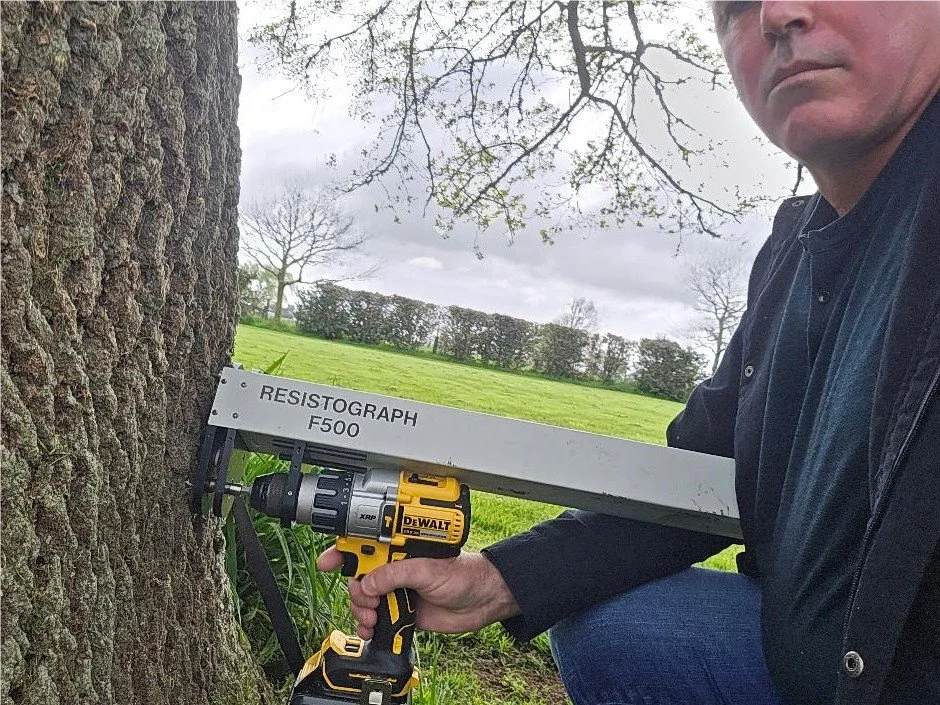
Tree Risk Assessments and Hazard Evaluations
Tree Protection Plans and Construction Impact Assessments
Arboricultural Impact Assessments and Development Applications
Tree Management Plans and Maintenance Schedules
Expert Witness Testimony and Legal Support
Urban Forestry Planning and Policy Development
Our solution-based approach, extensive knowledge, and commitment to excellence ensure the highest quality of services.
Striking the Right Balance: Benefits vs. Risks
Effective tree risk management involves balancing the invaluable benefits trees provide with the potential risks they may pose. Our approach helps you meet your duty of care obligations in a manner proportionate to your available resources and planning constraints.
Mitigating Risks, Enabling Growth
Recognizing the potential risks related to trees, EcoSustain assists organizations and individuals in taking practical measures to minimize these risks. Our expertise ensures that we provide services fostering growth and financial return, regardless of the complexity of your environment.
Partnership with Local Governments
We collaborate with local governments to ensure public value and expected service levels. Our comprehensive services and tools assist councils in fulfilling their responsibilities effectively.
Best Practices and Strategies for Meeting Duty of Care Obligations
We help you meet your duty of care obligations by developing robust tree risk policies and processes based on international best practices. Our approach ensures well-documented, defensible risk management strategies that enable effective risk quantification.
Defining and Auditing Risk Strategies
Our experts collaborate with you to develop and document risk strategies based on internationally recognized systems. This enables you to quantify and manage risks associated with your tree assets effectively.
Ongoing Maintenance and Compliance
Using our comprehensive risk assessments, we provide ongoing tree maintenance plans ensuring duty of care obligations are met. We work with qualified tree maintenance contractors to ensure prompt and efficient work, maintaining compliance and minimizing potential risks.
Risk Realization and Incident Management
Should a risk realize, EcoSustain helps clients navigate the complex legal and social implications of significant tree failures. We provide post-failure assessments and reports to help stakeholders understand incidents comprehensively and prevent future occurrences.
By partnering with EcoSustain, you can maximize the benefits of trees while effectively managing associated risks, ensuring community safety and well-being, and preserving the invaluable environmental and aesthetic value trees provide.
-
Integrating pasture diversity for soil improvement and carbon sequestration into soil testing and analysis services can enhance soil health, fertility, and overall ecosystem resilience. Here's how you can incorporate these components:
Soil Testing and Analysis Services:
Comprehensive Soil Testing:
Conduct thorough soil testing to assess pH, organic matter, nutrient levels (N, P, K, Ca, Mg, etc.), texture, and presence of beneficial microorganisms.
Include tests for soil compaction, water infiltration rates, and potential contaminant levels.
Analysis of Soil Health:
Evaluate biological indicators such as microbial activity, earthworm presence, and root biomass to gauge soil health.
Assess chemical properties including nutrient availability and potential imbalances.
Detailed Reporting:
Provide farmers with detailed reports highlighting the current state of their soil health and fertility.
Include specific recommendations for addressing any detected nutrient imbalances or soil health issues.
Integration of Pasture Diversity for Soil Improvement and Carbon Sequestration:
Selection of Diverse Pasture Species:
Recommend a mix of pasture species (grasses, legumes, and forbs) that are suitable for the local climate and soil conditions.
Choose species with deep root systems to improve soil structure and increase organic matter content.
Implementation Plans:
Develop and provide a detailed plan for integrating diverse pasture species into existing fields.
Advise on planting techniques, rotation schedules, and grazing management to optimise pasture diversity benefits.
Monitoring and Adjustments:
Offer ongoing monitoring services to track improvements in soil health and carbon sequestration.
Adjust management practices based on periodic soil test results and pasture performance.
Benefits of Pasture Diversity:
Soil Improvement:
Enhanced nutrient cycling due to varied root structures and biological activities.
Improved soil structure and porosity, leading to better water retention and infiltration.
Carbon Sequestration:
Increased organic carbon in the soil as diverse pastures contribute more organic matter.
Promotion of active carbon pools and long-term carbon storage through continuous root growth and decomposition cycles.
Biodiversity and Resilience:
Enhanced ecosystem biodiversity supporting a wider range of soil organisms.
Improved resilience to pests, diseases, and climatic extremes.
Educational Resources and Support:
Workshops and Training:
Organize workshops to educate farmers on the benefits of pasture diversity and effective soil management practices.
Include hands-on training sessions for soil sampling, testing, and interpreting results.
Farmer Field Days:
Facilitate field days where farmers can observe and discuss pasture diversity implementation and its effects on soil health.
Share success stories and case studies from other farmers who have seen positive results.
Technical Support:
Provide ongoing technical support and advice to help farmers make informed decisions about pasture management and soil health improvement.
Utilise digital platforms to offer real-time assistance and share resources.
By incorporating pasture diversity into soil testing and analysis services, you enhance the overall value of soil health assessments. This holistic approach not only addresses nutrient imbalances but also fosters sustainable agricultural practices that improve soil quality, increase carbon sequestration, and promote long-term farm productivity.
-
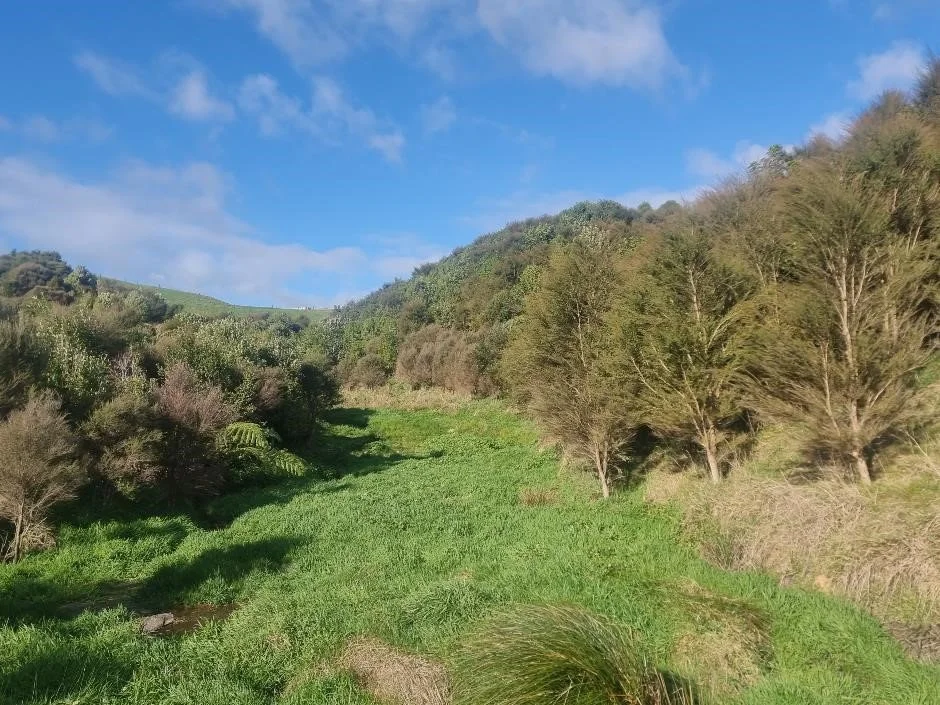
Importance of Riparian Planting for Nutrient and Sediment Mitigation:
Nutrient Mitigation:
Riparian zones, when planted with appropriate vegetation, act as buffers that capture and utilise excess nutrients (like nitrogen and phosphorus) from agricultural runoff before they enter water bodies.
The roots of native plants in riparian areas absorb these nutrients, reducing the risk of eutrophication in adjacent waterways.
Sediment Mitigation:
Riparian vegetation stabilises soil along waterways, reducing erosion and trapping sediment in runoff.
This leads to clearer water, which benefits aquatic life and reduces the need for downstream sediment management.
Ecosystem Services:
Riparian planting enhances water quality, supports wildlife populations, and creates more resilient agricultural landscapes by protecting water sources and reducing flood risk.
Specialising in Restoring Native Ecosystems:
Native Plant Species Reintroduction:
Select and reintroduce native plants that are adapted to local conditions and provide habitat for native wildlife.
Focus on species that contribute to soil health improvement, water regulation, and erosion control.
Habitat Restoration:
Develop and implement habitat restoration projects that include the establishment of woodlands, wetlands, and other natural habitats.
Utilise practices like controlled burns, invasive species management, and planting native grasses and shrubs to restore ecological balance.
5. Enhancing Biodiversity and Ecological Health:
Biodiversity Benefits:
A diverse plant ecosystem supports a wide variety of insects, birds, and other wildlife, creating a balanced and thriving ecosystem.
Enhanced biodiversity leads to more resilient ecosystems that can better withstand stresses such as pests, diseases, and climate change.
Ecological Health:
Restored native ecosystems improve soil health, water quality, and overall land productivity.
Healthy ecosystems provide critical services such as pollination, natural pest control, and nutrient cycling, which support sustainable agriculture.
6. Educational Resources and Support:
Workshops and Training:
Organise workshops to educate farmers on the benefits of pasture diversity, riparian planting, and native plant restoration.
Technical Support:
Provide ongoing technical support and advice to help farmers make informed decisions about pasture management, soil health improvement, and ecosystem restoration.
Utilise digital platforms to offer real-time assistance and share resources.
By adding the importance of riparian planting for nutrient and sediment mitigation and specializing in restoring native ecosystems, you make soil testing and analysis services more comprehensive. This holistic approach not only addresses nutrient imbalances but also fosters sustainable agricultural practices that improve soil quality, increase carbon sequestration, enhance biodiversity, and restore ecological health on farms and other land areas.
-
Providing expertise in designing and implementing agriforestry systems that offer benefits such as improved soil health, carbon sequestration, and additional income streams from tree products.
-
At EcoSustain, we understand the vital role arboriculture plays in preserving our natural environment. EcoSustain provides expert consultancy services to ensure the health and longevity of urban forests.
Trees are nature's guardians, providing oxygen, sequestering carbon, and supporting biodiversity. By investing in professional arboricultural care, we safeguard these invaluable assets, promoting sustainability and enhancing the beauty of our communities. Join us in nurturing nature's guardians through responsible arboriculture practices.

Michael Fraser - Consultant
With almost four decades of practical experience and a rich academic background, I'm a leading Arboricultural and Environmental Consultant in New Zealand. My expertise spans arboriculture, plant ecology, soil science, and management, ensuring comprehensive solutions for clients.
Backed by international and New Zealand qualifications, I offer a global perspective combined with hands-on experience in New Zealand. This allows me to provide tailored consultation practices suited to local contexts.
I excel in integrating diverse skill sets, ensuring well-rounded consultations that consider intricate environmental relationships. Through collaboration, I deliver scientifically sound and actionable solutions.
Balancing environmental stewardship and profitability is at the core of my philosophy. I aim to identify opportunities for sustainable practices without compromising profitability, creating win-win scenarios for all stakeholders.
With my unparalleled expertise, global insight, and collaborative approach, I'm uniquely positioned to guide clients through complex environmental challenges, offering practical and sustainable solutions tailored to their needs.